Categories
Shopping

Making the Most of Vertical Retail Space with Wall Display Racks

In modern retail design, how you use your space matters just as much as what you sell. Fixtures, lighting, and layout work together to tell your brand’s story while guiding customers naturally through the store. One of the most effective ways to optimize both style and practicality is by using wall display racks to transform bare walls into functional merchandising areas.

Turning Empty Walls into Selling Opportunities

Every square foot of a store has potential. Wall-mounted fixtures allow retailers to expand their visual presentation without overcrowding the floor. By placing racks strategically—behind counters, near entrances, or along browsing paths—you create a flow that encourages exploration.

These racks are particularly effective for accessories, apparel, and lightweight products. They keep items organized and visible while freeing up floor space for featured tables or seasonal displays. The result is a more open, inviting atmosphere that feels structured but never cluttered.

Enhancing Store Aesthetics Through Design
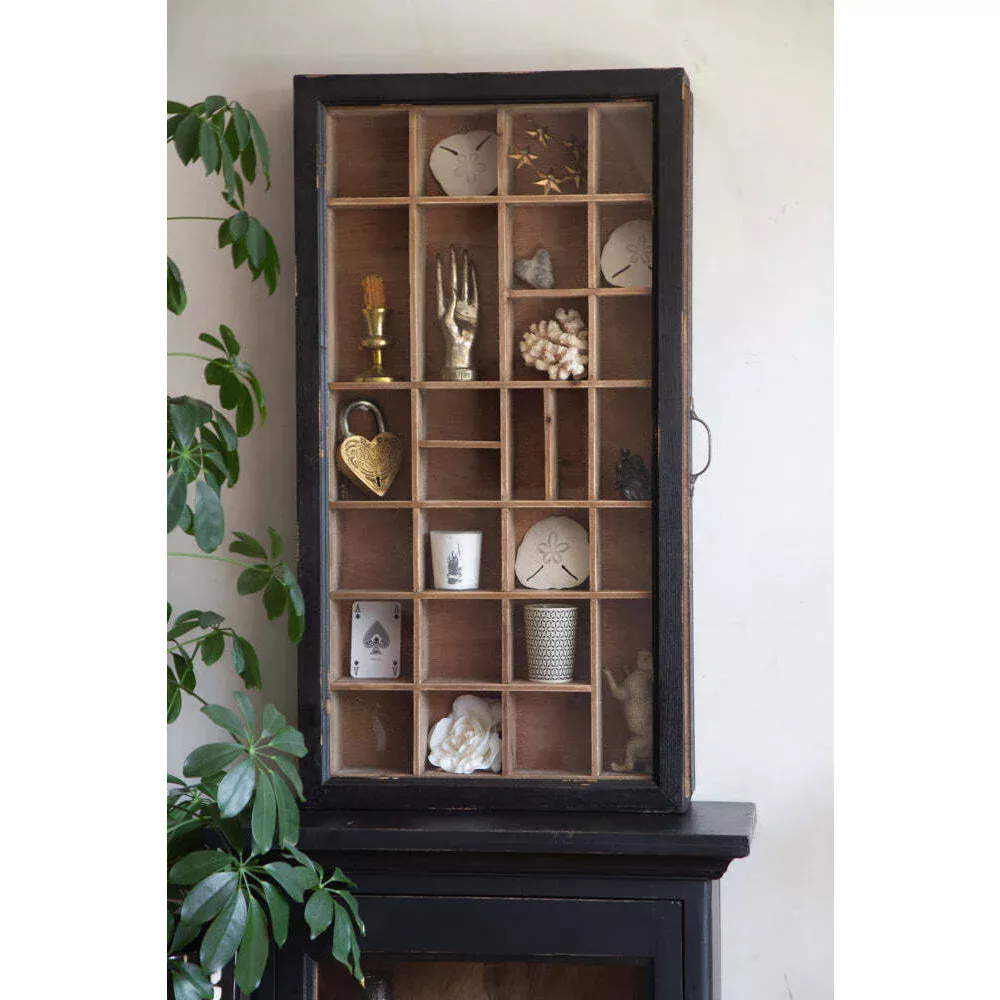
Display Cases

A display rack is more than a storage tool—it’s part of your brand image. The materials and finishes you choose should complement your store’s identity. Polished metal frames work well in modern boutiques, while wood or matte black finishes add warmth and sophistication to lifestyle spaces.

Lighting adds the finishing touch. Installing soft LED strips or targeted spotlights above racks helps highlight product colors and textures, drawing attention subtly but effectively.

Flexibility That Adapts to Your Needs

Retail trends shift quickly, and your fixtures need to keep up. Wall display racks offer flexibility for seasonal changes and new product launches. Many designs allow for adjustable shelving, hooks, or hanging arms, so you can reconfigure displays with minimal effort.

This adaptability also supports promotional campaigns or limited collections—simply rearrange the layout to feature new arrivals or highlight specific brands.

Function Meets Longevity

Durable construction ensures these fixtures withstand daily use without losing appeal. Regular maintenance—cleaning, tightening fittings, and adjusting spacing—keeps them looking sharp and functioning smoothly. When maintained well, they become long-term assets rather than short-term décor.

A Smarter Way to Showcase Products

Every fixture in your store contributes to how customers perceive value and organization. By integrating wall display racks into your layout, you maximize efficiency and elevate presentation at the same time. They’re not just storage—they’re design tools that create rhythm, movement, and an experience your customers remember.
Categories
Shopping

How Bulk Purchasing Wholesale Supplies Can Lower Your Operational Costs

Understanding Bulk Purchasing Benefits

Purchasing supplies in bulk allows retailers to secure lower per-unit prices by buying larger quantities directly from manufacturers or distributors. When you negotiate bulk rates, suppliers often offer discounts that aren’t available for smaller orders. These savings can apply to fixtures, packaging materials, or everyday inventory—reducing the cost of goods sold and improving profit margins over time.

Negotiating Better Terms with Suppliers

When you commit to higher-volume orders, suppliers see you as a reliable partner and are more inclined to offer favorable payment terms. Bulk purchasers can often negotiate extended payment windows, reducing immediate cash outflows, or arrange for tiered pricing—where larger orders unlock deeper discounts. By fostering strong relationships through consistent, high-volume purchases, retailers gain leverage that translates into lower operational expenses.

Reducing Shipping and Handling Fees

Ordering wholesale quantities in one shipment cuts down on freight and handling costs associated with multiple smaller orders. Instead of paying for separate shipments every few weeks, you pay a single shipping fee for a larger consignment. This consolidation not only saves on carrier fees but also decreases the risk of supply chain disruptions—fewer shipments mean fewer chances for delays, damage, or unexpected surcharges.

Streamlining Inventory Management

Having an adequate supply of frequently used items—such as price tags, packaging materials, and cleaning products—prevents emergency orders that often come with expedited shipping premiums. By maintaining a well-organized storage system for bulk stock, you minimize last-minute replenishment costs and reduce stockouts that can halt operations. Efficient inventory turnover planning ensures you purchase only what you need, avoiding overstock while still benefiting from wholesale pricing.

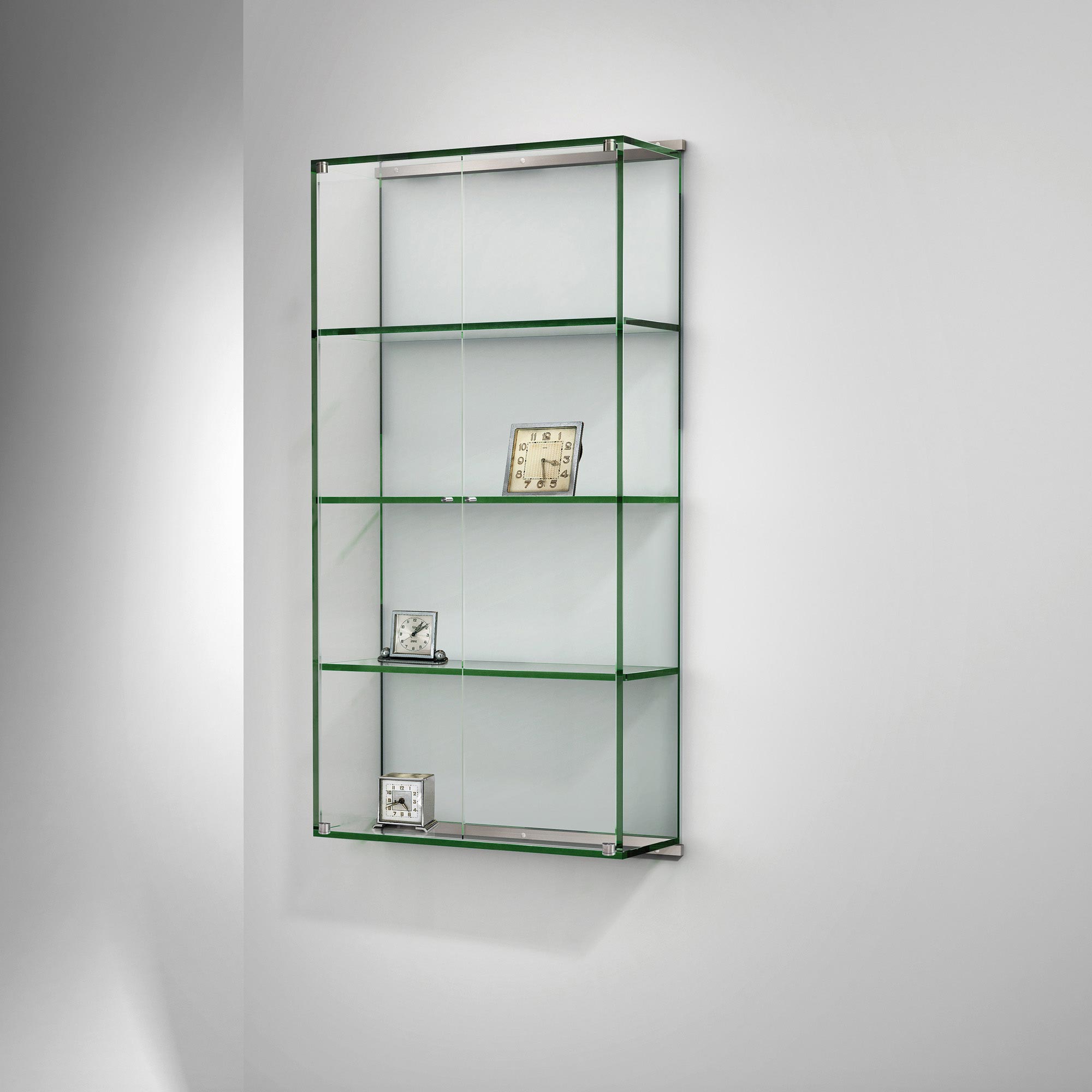
Wall Display Case

Minimizing Per-Unit Handling and Processing Costs

Fulfilling one large order involves less administrative work than processing multiple smaller requests. Each purchase order requires time for approval, paperwork, and bookkeeping. When supplies arrive in bulk, you handle a single invoice, which cuts down on accounting labor and associated wages. Lower processing expenses add up, especially for small businesses where staff resources are limited.

Achieving Scale Economies Across Multiple Locations

If your retail operation includes several store locations, centralizing bulk purchasing amplifies cost savings. By pooling demand across all sites, you qualify for even larger discounts and can split shipments according to each store’s needs. Centralized purchasing also simplifies forecasting—headquarters can track overall consumption patterns, adjusting order volumes to match seasonal demand and avoiding redundant orders.

Leveraging a Supply Partner for Consistency

Partnering with a trusted supplier of wholesale store supplies ensures you receive consistent product quality at stable prices. Rather than sourcing from multiple vendors—and risking variability in materials and costs—relying on a single wholesale supplier streamlines ordering, reduces the need for regular price comparisons, and provides predictable budgeting. This stability reduces the hidden costs of poor-quality or incompatible supplies.

Calculating Break-Even Volume and Storage Costs

While bulk purchasing offers clear per-unit savings, you need to balance those benefits against storage expenses. Before committing, calculate your break-even volume—the point at which cost savings from wholesale pricing offset storage and capital expenditure. Secure spacious, cost-effective storage solutions (like pallet racks or shelving) to keep bulk items organized. Proper planning ensures that holding costs don’t negate wholesale discounts.

Improving Cash Flow Through Strategic Ordering

Rather than tying up capital in slow-moving inventory, analyze usage rates to determine the optimal reorder schedule. For example, ordering six months’ worth of packaging materials in a single transaction might yield a discount, but if your cash flow is tight, staggering orders to align with sales cycles can be more practical. Use cash flow projections to time orders—placing bulk purchases just before peak sales seasons maximizes inventory turnover and preserves liquidity.

Reducing Waste and Unused Inventory

By monitoring consumption patterns and aligning bulk orders with actual usage, retail businesses avoid overstocking perishable or seasonally sensitive items. Accurate demand forecasting lets you purchase in quantities that sell within a reasonable timeframe. This minimizes the risk of obsolete inventory—such as outdated packaging designs or promotional materials—further lowering operational costs related to write-offs and disposal.

By negotiating volume discounts, consolidating shipments, and coordinating purchases across multiple locations, retailers can significantly lower their operational costs. Partnering with a reliable source of wholesale store supplies ensures consistent pricing and quality, making bulk purchasing a strategic advantage for maintaining healthy profit margins and efficient operations.