The Small Details That Can Make a Retail Unit Harder to Run
Problems Usually Start With Everyday Tasks
A retail unit can look perfectly organised when it first opens, yet become frustrating to work in after a few busy days. Packaging piles up, popular products need constant replenishment, customers stand in awkward places, and staff discover that the items they use most often are difficult to reach.
These problems are not always caused by a lack of space. Often, the original layout simply did not account for the way the business operates throughout the day.
This is worth considering before buying fixtures for a new shop or changing an existing setup. A little planning around everyday tasks can save time and prevent the sales area from becoming cluttered.
Give Every Item a Sensible Home
In a compact retail store kiosk, even small items can make a noticeable difference to how organised the space feels. Payment terminals, shopping bags, receipts, cleaning supplies, packaging, and spare stock all need somewhere to go.
If there is no designated place for these essentials, they tend to end up wherever space is available. The counter becomes a storage surface, products get moved to make room for paperwork, and staff waste time searching for things they need repeatedly.
Start by listing the items used during a normal shift. Separate those needed constantly from supplies that can be stored elsewhere. Keep everyday essentials within easy reach, but out of the main customer-facing area whenever possible.
Make Replenishment Quick and Predictable
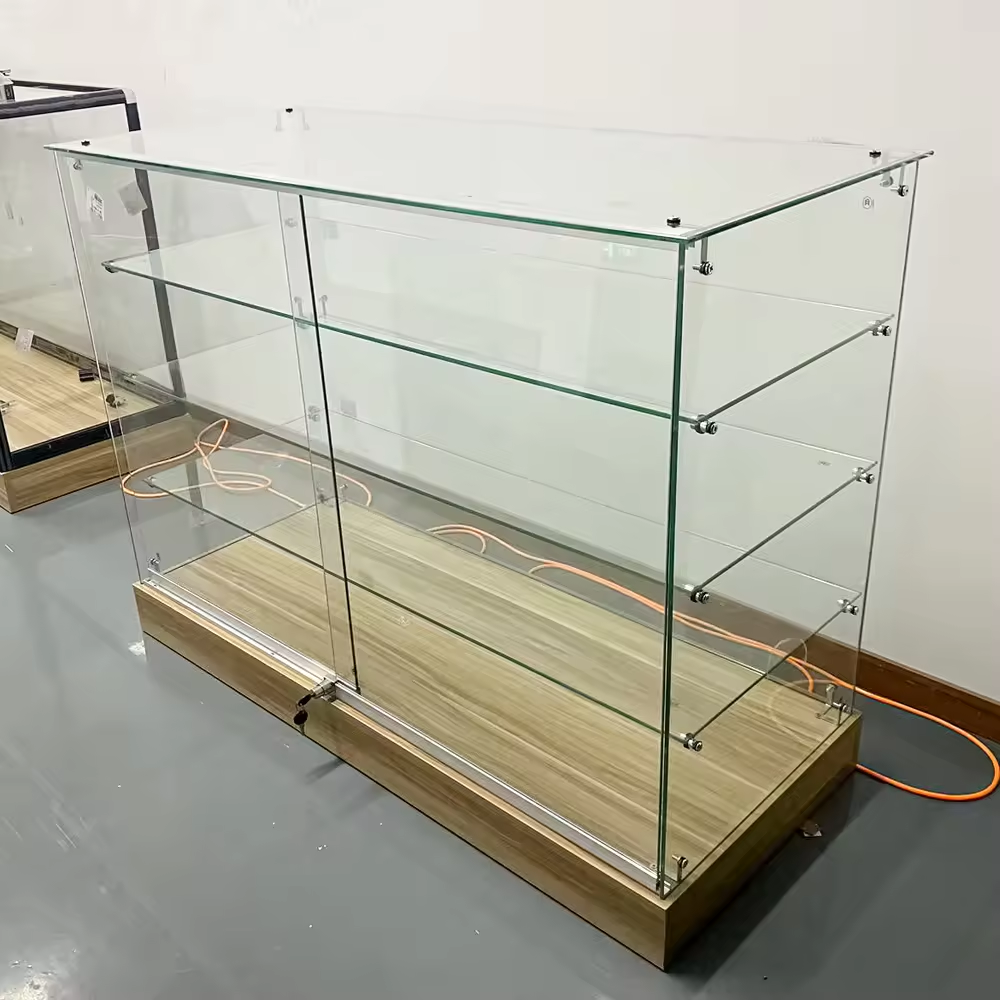
A fixture should make it straightforward to refill popular products without disrupting the entire display. This matters particularly for businesses selling small accessories, packaged goods, cosmetics, or other items that move quickly.
If staff have to unpack boxes in the customer area or move several products to reach the stock underneath, the layout is creating unnecessary work.
Use storage that suits the size and type of merchandise being sold. Adjustable shelves can help when product packaging changes, while drawers or enclosed cupboards can keep smaller supplies organised. It is also useful to keep replacement stock close enough for quick access without letting it spill into the working area.
Watch Where Customers Naturally Stand
Customers do not always approach a counter from the direction a retailer expects. Some want to browse before speaking to staff, others immediately ask a question, and some simply need to pay and leave.
Observe how people approach the unit during busy periods. If customers repeatedly stand where staff need to work, or if people browsing block those waiting to pay, the layout may need adjusting.
Keep the main interaction area clear and make the checkout process easy to identify. Product displays should encourage browsing without forcing customers to crowd around the payment point. Even a small change in the position of a display or the arrangement of a counter can improve the flow.
Keep the Counter Under Control
The counter is one of the first places where disorganisation becomes visible. A few necessary items are normal, but stacks of packaging, loose paperwork, spare stock, and personal belongings can make the business appear less organised than it really is.
Decide which items genuinely need to remain on the work surface. Everything else should have a storage location. This also makes cleaning easier and gives staff more room to handle purchases, wrap products, or assist customers.
Test the Setup During a Real Shift
It is difficult to judge a retail layout by appearance alone. A better test is whether staff can complete routine tasks without repeatedly reaching, bending, moving products, or stepping away from the counter.
Walk through a typical shift and identify the awkward moments. Ask staff which tasks take longer than they should and where clutter tends to collect.
The most useful fixtures are not necessarily the biggest or most elaborate. They are the ones that support the work being done every day. When storage, customer access, and staff movement are considered together, a small retail operation becomes easier to manage without needing more space.